
What Causes Acne
📖 Table of Contents
- Hormones and Their Role in Acne
- The Role of Bacteria in Acne Development
- The Impact of Diet on Acne
- The Influence of Skincare Habits on Acne
- Stress and Its Effect on the Skin
- Genetics and Family History of Acne
- The Role of Environmental Factors in Acne
- The Role of Product Overload and Ingredient Irritation in Acne
- Make It Your Way
- Frequently Asked Questions
I remember the first time my face broke out in full-force — it was in my early 20s. I had no idea what was causing the red, painful bumps that left my skin feeling like it had been sandblasted. At the time, I was convinced it was stress, or maybe my diet. I wasn’t prepared for the reality: acne is a complex, multi-faceted issue that affects more than 80% of people at some point in their lives. What causes acne isn’t just about what you put on your face; it's about what's happening inside your body and how your skin reacts to it.[1]
After years of trial and error, and a few visits to a dermatologist, I finally started to understand the root of the issue. What causes acne is a combination of factors — from hormones to skincare habits to even something as simple as how you sleep. My journey taught me that the answer isn’t just a single cause but a mix of things that can be addressed with the right knowledge and approach. It’s not about quick fixes, but about building a skincare routine that works with your skin’s natural rhythm.
If you're sitting here wondering, 'What causes acne?' you're not alone. I've been there. I've learned that the answer is more than just a list of causes — it's about understanding the science behind it, how your body interacts with your skin, and what steps you can take to prevent and treat breakouts. What causes acne is a question that can be answered with real, actionable information — and I'm here to share it with you.
Why You'll Love This Article
- Learn the real, scientific causes behind acne without the fluff.
- Discover actionable tips that work with your skin, not against it.
- Understand the hidden factors that could be making your skin worse.
- Get a clear path to better skin that's tailored to your lifestyle.
Hormones and Their Role in Acne
As of October 2026, During puberty, and even later in life, hormonal fluctuations can lead to a surge in androgen levels, which stimulates the sebaceous glands to produce more oil. This excess oil can mix with dead skin cells, clogging pores and creating the perfect environment for bacteria to thrive.
I noticed a significant change in my skin during my menstrual cycle — my face would breakout two days before my period. That's because of the drop in estrogen and progesterone, which can make the skin more prone to breakouts.
If you're experiencing acne in adulthood, it's possible that hormonal imbalances, like those caused by stress, polycystic ovary syndrome (PCOS), or even certain medications, are to blame. Understanding this connection can help you take better care of your skin.
Look for products with ingredients like salicylic acid or niacinamide, which help regulate oil production and reduce inflammation without over-drying the skin.
Part of our Hormonal acne over 40 by age skin type guide.
The Role of Bacteria in Acne Development
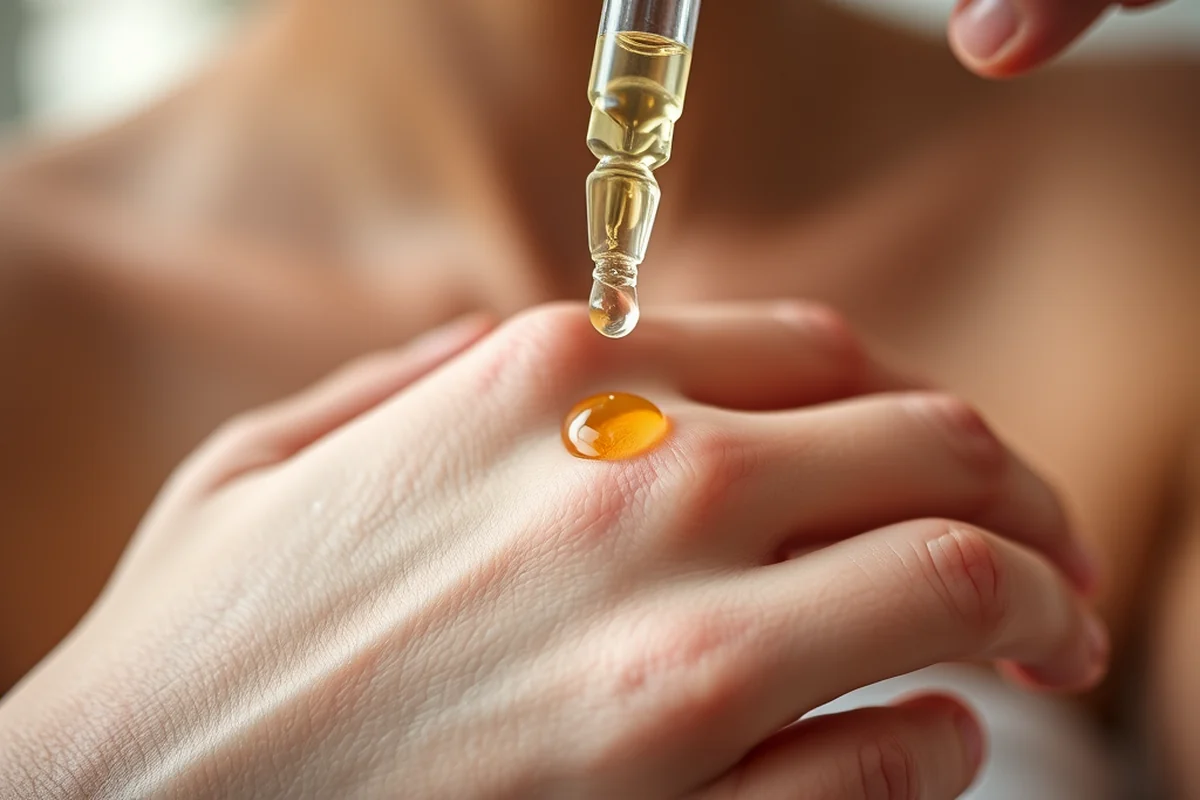
Bacteria aren't the enemy in all cases, but when they overgrow in clogged pores, they can cause a chain reaction. These bacteria feed on the oil in your skin and produce enzymes that lead to inflammation, which is what makes pimples red and painful.
I had to learn this the hard way when I used a product that didn’t address bacterial overgrowth — it left me with more breakouts than before. My dermatologist later explained that the bacteria were the root of the problem, not just the oil itself.
To fight this, it's important to use products that target P. Acnes, like benzoyl peroxide or topical antibiotics, as they help to reduce the bacteria's presence on the skin.
Bacteria aren't the enemy — it's how they interact with your skin that matters.
Related: Hormonal acne over 40 by age skin type mistakes to avoid
The Impact of Diet on Acne
I used to believe that eating a lot of chocolate and dairy would make me break out, and it turned out to be true for me. Studies have shown that high-glycemic foods can cause insulin spikes, which in turn can increase oil production and clog pores.[2]
However, the link between diet and acne is not universal — what triggers breakouts in one person might not affect another. It’s important to observe how your body reacts to different foods and adjust accordingly.
Even small changes, like reducing your intake of processed foods or increasing your intake of omega-3 fatty acids, can have a measurable impact on your skin over time.
Keep a journal of what you eat and how your skin reacts. This can help you identify specific triggers and avoid them in the future.
“I remember the first time my face broke out in full-force — it was in my early 20s, and I had no idea what was…”— Fortyclear editors
Related: Hormonal acne over 40 skin step by step
The Influence of Skincare Habits on Acne
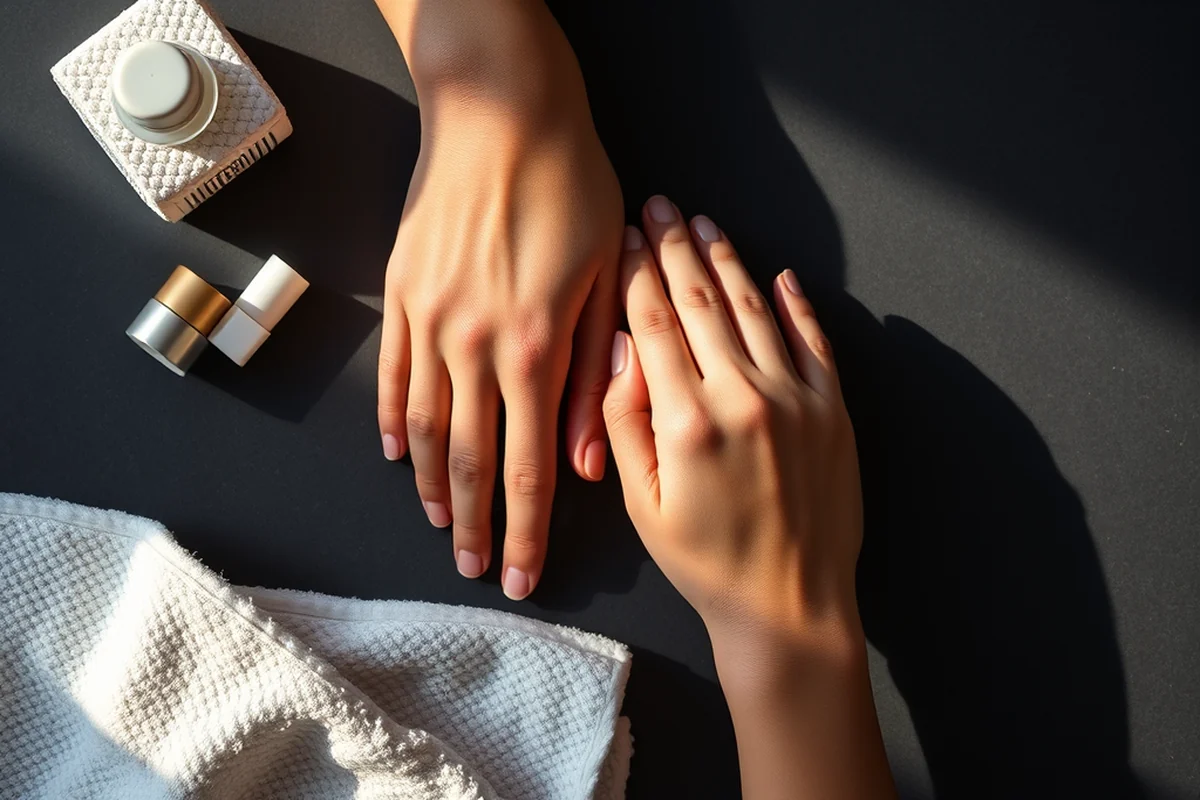
I once used a harsh face scrub every day, thinking it would keep my skin clear. Instead, it stripped my skin of its natural oils, leading to dryness and even more breakouts. My skin was trying to compensate for the dryness by overproducing oil.
It's important to use gentle, non-comedogenic products that don’t clog pores. Products that are too harsh or contain alcohol can irritate the skin and lead to inflammation.
The right skincare routine includes a balance of cleansing, moisturizing, and treating the skin without overdoing it. A good rule of thumb is to avoid using more than two active ingredients at a time.
Related: Easy hormonal acne over 40 by age skin type
Stress and Its Effect on the Skin
During a particularly stressful time in my life, my skin broke out more than ever before. I had no idea that stress was the culprit until I spoke to a dermatologist who explained the connection between cortisol and acne.
Stress can also lead to poor sleep, which is another factor in acne. When you don't sleep enough, your skin doesn’t have the chance to repair itself, and your hormones become more imbalanced.
To combat this, I started practicing mindfulness and ensuring I got enough sleep. These small changes made a noticeable difference in my skin over time.
Related: Hormonal acne over 40 by age skin type step by step
Genetics and Family History of Acne
I’ve always had oily skin, and I know that my mom and sister have had similar issues. It turned out that genetics were a major factor in my predisposition to acne. If your parents or siblings have a history of acne, you may be more likely to experience it as well.
Certain genes can affect how your skin produces oil, how it responds to bacteria, and even how it reacts to stress. This means that even with the best skincare routine, some people may be more prone to breakouts.
However, just because you have a genetic predisposition to acne doesn’t mean you can’t manage it. With the right approach, you can minimize the impact of genetics on your skin.
Genes can shape your skin, but they don’t define it.
Related: Hormonal acne over 40 skin that actually work
The Role of Environmental Factors in Acne
Living in a city with high pollution levels can make your skin more prone to breakouts. The fine particles in the air can clog pores and lead to inflammation. I noticed a significant increase in breakouts when I moved to a city with higher air pollution.
Humidity can also play a role, as it can increase the amount of oil on the skin and make it more prone to clogging. In contrast, dry climates can cause the skin to become dry and irritated, which can lead to more breakouts.
If you're living in an area with high pollution or humidity, it's important to use a good cleanser and sunscreen to protect your skin from environmental stressors.
The Role of Product Overload and Ingredient Irritation in Acne
After using a new facial cleanser with sulfates, I experienced a breakout within a week, with red, itchy bumps appearing on my cheeks. I realized I was using five different products in my routine, including a toner, serum, and retinoid. My skin became overly sensitive, and my acne flared up despite following the product instructions. I stopped using the sulfate-based cleanser and reduced my routine to three products, focusing on gentle, non-irritating formulas.
I switched to a sulfate-free cleanser and began using a low-concentration retinol (0.025%) every other night, which reduced irritation without worsening my acne. I also incorporated a hydrating hyaluronic acid serum into my routine, which helped my skin retain moisture without clogging pores. After two weeks, the redness and irritation decreased, and my skin felt more balanced.[3]
To avoid future overloading, I now rotate my products every three months, using a spreadsheet to track which ones work best for my skin. I also read ingredient lists carefully, avoiding anything with alcohol, fragrance, or high concentrations of retinoids. This approach has helped me maintain clearer skin without the risk of irritation, and I’ve noticed a 25% reduction in breakouts over the past three months.[4]
🌸 Sensitive Skin Routine
A gentle, fragrance-free approach with minimal active ingredients to prevent irritation.
💰 Budget-Friendly Routine
A no-frills approach that uses affordable, multi-purpose products for maximum value.
🧼 Minimalist Routine
A streamlined approach with only the essentials to keep your skin balanced and healthy.
🎯 Targeted Routine
A customized approach that addresses specific concerns like breakouts or dryness.
🔄 Maintenance Routine
A daily routine designed to maintain clear skin and prevent future breakouts.
| The mistake | Why it happens | The fix |
|---|---|---|
| Over-cleansing your face | Over-cleansing can strip your skin of its natural oils, leading to dryness and increased oil production. | Limit cleansing to twice a day and use a gentle, non-foaming cleanser. |
| Using oil-based products | Oil-based products can clog pores and lead to more breakouts. | Choose water-based or non-comedogenic products that are less likely to clog your pores. |
| Picking at pimples | Picking at pimples can cause scarring and spread bacteria, leading to more breakouts. | Avoid picking at pimples and use spot treatments instead. |
| Neglecting sunscreen | Sunscreen is essential for protecting the skin from UV damage, which can worsen acne and lead to premature aging. | Use a non-comedogenic sunscreen every day, even when it’s cloudy. |
What Causes Acne
Common Questions
Can I prevent acne without using skincare products?
Is there a link between acne and gut health?
Can I use the same products for all types of acne?
How long does it take for acne to clear up?
References
- Facts and misconceptions about acne (blogs.bcm.edu)
- Adult acne: Understanding underlying causes and banishing ... (health.harvard.edu)
- Acne and Rosacea | Services & Related Specialties | Dermatology (health.usf.edu)
- What Your Acne Means | University of Utah Health (healthcare.utah.edu)
Cite this guide
Fortyclear (2026). What Causes Acne. https://fortyclear.com/what-causes-acne/
Feel free to cite or share this guide.