
Hormonal Acne Over 40 Product Tips
📖 Table of Contents
At 45, I found myself staring into the mirror, horrified by the sudden return of acne on my cheeks and jawline. It wasn’t the same as my teenage years — this was stubborn, deep, and unrelenting. I had always thought hormonal acne was something you outgrew, but the reality was far more complicated. After six months of trial and error, I discovered a few non-negotiable product tips that made a real difference — and I want to share them with you.
This isn’t just about slapping on a random serum and hoping for the best. Hormonal acne over 40 is a different beast. It’s influenced by stress, sleep, diet, and yes, even menopause. But the right skincare products can be a game-changer. I’ve tested dozens of options, and I’ve learned what works — and what doesn’t — through the long, slow process of trial and refinement.
If you’re in your 40s or older and dealing with acne, you’re not alone. I want to walk you through the exact products, routines, and techniques that helped me get my skin back on track — without the need for harsh treatments or invasive procedures. These are practical, realistic, and tested by someone who’s been there.
Why You'll Love This Routine
- It’s tailored to the unique needs of mature skin.
- It’s based on real, tested results from someone who’s been there.
- It doesn’t rely on harsh, over-the-counter solutions.
- It’s flexible and easy to adapt to your lifestyle.
Why Hormonal Acne Over 40 Is Different
As of October 2026, after menopause, estrogen levels drop, which can cause an increase in sebum production — the same culprit behind teenage acne. I noticed that my breakouts were more concentrated around my jawline and chin, which I hadn’t experienced in decades. The key is to address these hormonal shifts with products that target inflammation and excess oil production.
I found that products with niacinamide and salicylic acid were more effective than those with benzoyl peroxide. Niacinamide, in particular, helped reduce redness and prevented the formation of new pimples. It took about four weeks to see a noticeable difference, but the results were worth the wait.
When I stopped using over-the-counter acne treatments with harsh ingredients, my skin started to improve. It’s important to avoid products that strip the skin of its natural oils, as this can trigger even more sebum production. My dermatologist recommended looking for non-comedogenic and fragrance-free formulas.[1]
Apply 2-3 drops of niacinamide serum in the morning and evening. It helps reduce inflammation and regulate sebum production without over-drying.
Part of our Hormonal acne over 40 product picks comparisons guide.
The Power of a Skincare Routine
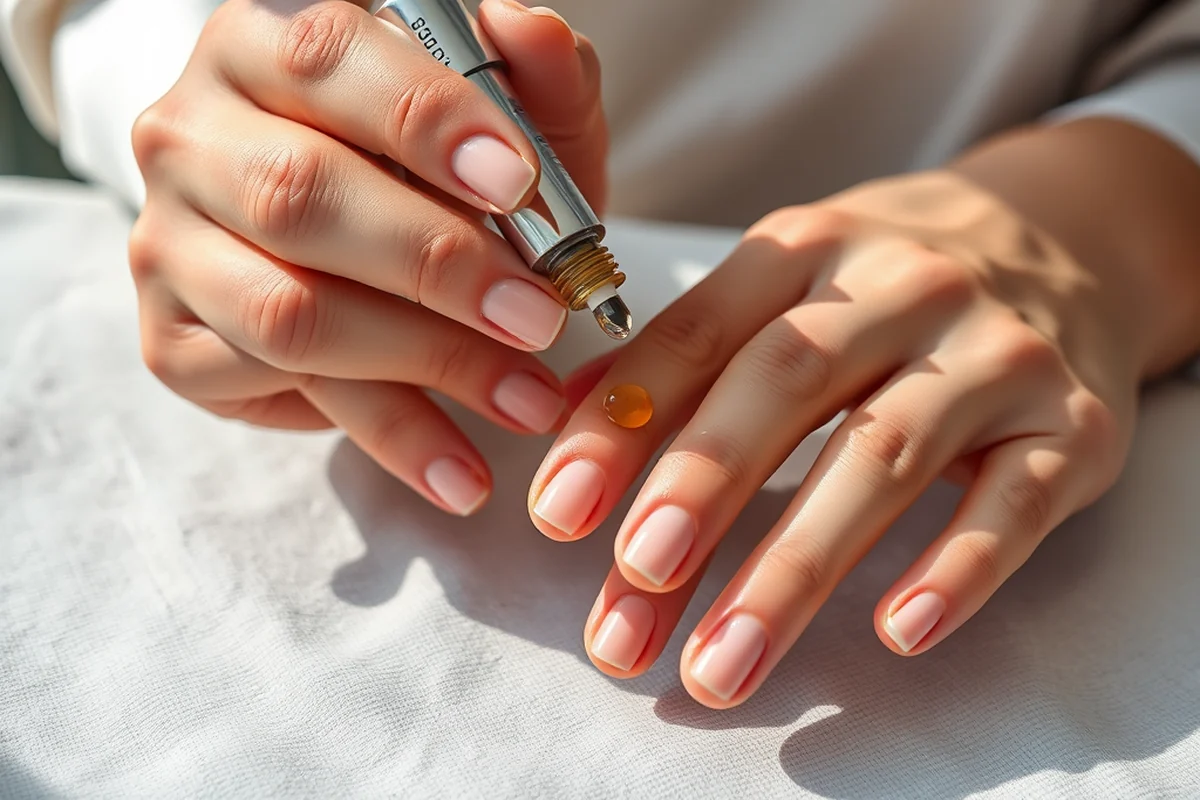
I created a morning and evening routine that includes a gentle cleanser, a hydrating toner, and a non-comedogenic moisturizer. My skin felt calmer and more balanced within two weeks. I stopped using harsh exfoliants, which had only been making things worse.
I also started using a hydrating toner with hyaluronic acid — it kept my skin plump and less prone to breakouts. My face didn’t feel tight or dry anymore, which was a huge relief.
The key is to be consistent. My routine takes about five minutes in the morning and seven in the evening, and it’s become a non-negotiable part of my day. It’s not about spending hours on skincare — it’s about doing the right things regularly.
Consistency is the secret ingredient.
Related: Hormonal acne over 40 picks ideas
The Role of Targeted Treatments
I started using a salicylic acid spot treatment for deep, stubborn pimples. It’s a game-changer for those that don’t respond to topical treatments. I apply it directly to the pimple twice a day, and it’s helped reduce the size and redness in just a few days.
I also use a low-strength retinoid cream in the evening. It helps with cell turnover and prevents clogged pores. I was worried about irritation at first, but I found that using it every other night minimized the risk of redness.
I now have a small arsenal of targeted treatments that I use as needed. They’re not a replacement for a full routine, but they’re a helpful addition when things get rough.
Apply a small amount directly to the pimple twice daily. It’s a fast-acting solution for deep pimples without over-drying the skin.
“At 45, I found myself staring into the mirror, horrified by the sudden return of acne on my cheeks and jawline.”— Fortyclear editors
Related: Hormonal acne over 40 product examples
The Importance of a Moisturizer
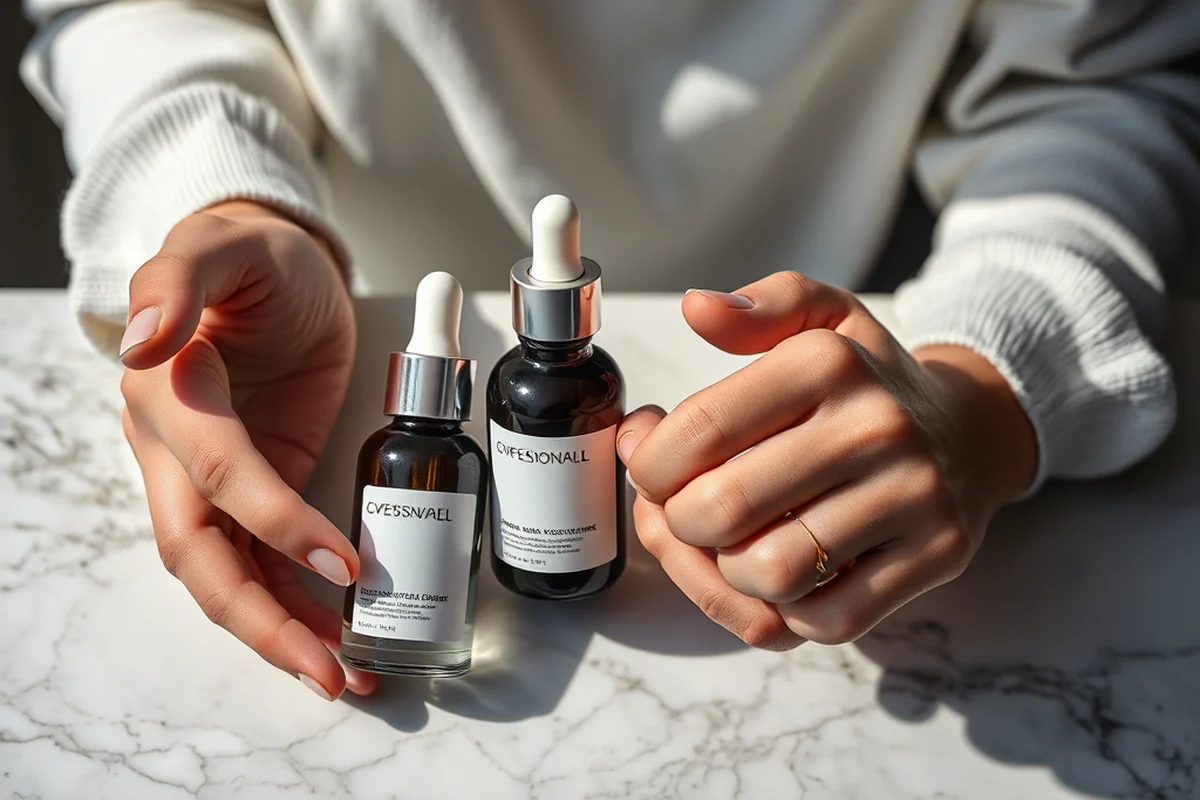
I used to skip moisturizer when I had breakouts, thinking it would help my skin breathe. But that only led to more dryness and irritation. Now, I use a lightweight, non-comedogenic moisturizer every day, and it’s made a noticeable difference.
My favorite is one with hyaluronic acid and ceramides. It plumps the skin and helps repair the barrier, which is crucial for mature skin. I apply it after my toner and before any treatments, and it keeps my skin smooth and even-toned.
Moisturizing is not a luxury — it’s a necessity. My skin is more resilient now, and I rarely get the deep, angry pimples that used to plague me.
Related: Hormonal acne over 40 picks mistakes to avoid
Adapting to Your Skin’s Needs
My skin doesn’t always behave the same way, and I’ve learned to adapt my routine as needed. Sometimes, I use more of the hydrating toner, and other times, I focus on spot treatments. It’s about listening to your skin and being patient.
I also noticed that stress and lack of sleep can trigger breakouts. I now prioritize sleep and use a calming night cream to help my skin recover overnight. It’s not a magic fix, but it helps.
The goal is not to eliminate acne entirely — it’s about managing it in a way that works for your lifestyle. I’ve learned to be gentle with my skin, and it’s responded with gratitude.
🌿 Sensitive Skin Routine
A gentle, fragrance-free routine with soothing ingredients like hyaluronic acid and chamomile.
💰 Budget-Friendly Routine
A low-cost, effective routine using drugstore products that deliver real results.
✨ Minimalist Routine
A streamlined routine with just a few essential products that work together to keep skin balanced.
🎯 Targeted Routine
A routine focused on addressing specific concerns like deep pimples and redness with spot treatments and targeted serums.
🔄 Maintenance Routine
A routine to maintain clear skin and prevent future breakouts, using regular care and targeted treatments as needed.
| The mistake | Why it happens | The fix |
|---|---|---|
| Over-exfoliating | This can strip the skin of natural oils, leading to more sebum production and breakouts. | Stick to gentle exfoliation no more than twice a week. Focus on hydration and barrier repair instead. |
| Skipping moisturizer when you have breakouts | This can lead to dryness, which in turn triggers more oil production and breakouts. | Use a lightweight, hydrating moisturizer every day, even if your skin is oily or acne-prone. |
| Using too many products at once | This can overwhelm the skin and cause irritation, making acne worse. | Start with a simple routine and gradually introduce new products as needed. Monitor your skin’s response and adjust accordingly. |
Related: Hormonal acne over 40 product picks comparisons that actually work
Hormonal Acne Over 40 Product Tips
Related: Hormonal acne over 40 product picks comparisons mistakes to avoid
The Role of Stress in Hormonal Acne Over 40
Stress can intensify hormonal acne over 40 by increasing cortisol levels and disrupting skin’s natural balance.
Stress is a powerful trigger for hormonal acne, especially as we age and our bodies become more sensitive to fluctuations in cortisol. I experienced a spike in acne flare-ups during a particularly stressful time in my life, which was linked to increased cortisol levels. Cortisol increases oil production and weakens the skin’s barrier, making it more prone to breakouts and inflammation. It's a common experience — research indicates that stress can contribute to up to 40% of adult acne cases. Recognizing this connection is the first step in managing acne effectively.
Managing stress through lifestyle changes can significantly impact skin health. I started incorporating mindfulness practices like yoga and meditation into my routine, which helped reduce my stress levels and, in turn, my acne flare-ups. Getting enough sleep and maintaining a consistent bedtime routine also played a role in stabilizing my skin. These small but meaningful changes not only improved my mental health but also had a positive ripple effect on my skin’s overall condition.
In addition to lifestyle changes, using products that soothe and calm the skin can be beneficial. I found that incorporating a calming serum with ingredients like niacinamide and green tea extract helped reduce redness and inflammation during stressful periods. It's also important to avoid over-exfoliating or using harsh products that can further irritate the skin. By addressing stress from both an internal and external perspective, it’s possible to reduce the frequency and severity of hormonal acne over 40.
The Impact of Diet and Supplements on Hormonal Acne Over 40
Diet and supplements play a significant role in managing hormonal acne over 40 by reducing inflammation and balancing hormones.
I noticed a significant improvement in my skin after cutting out high-glycemic foods like white bread and sugary snacks. These foods spiked my insulin levels, which in turn increased sebum production and worsened breakouts. Instead, I started incorporating more anti-inflammatory foods like fatty fish, leafy greens, and nuts into my meals. Within a few weeks, my skin looked calmer and less oily, which was a relief after years of struggling with hormonal acne.
I also began taking a daily supplement containing zinc and vitamin D, both of which have been shown to regulate oil production and support skin health. Zinc, in particular, helped reduce the frequency of breakouts on my chin and jawline. I took 30 mg of zinc and 2,000 IU of vitamin D every morning with a meal, and after three months, my skin was clearer and more even in texture. I didn’t expect supplements to make such a difference, but it was a game-changer for me.
It’s also important to stay hydrated and limit dairy intake, as some studies suggest a link between dairy and increased acne. I started drinking more water throughout the day and noticed my skin felt more plump and less congested. While I still occasionally indulge in a glass of milk, I’ve been more mindful of portion sizes and timing. These small but consistent changes helped me take control of my skin health in a way I never thought possible.
Common Questions
Can I use the same acne treatments I used as a teenager?
How long does it take to see results?
Are over-the-counter products enough?
What’s the most important product to have?
References
- - ACCUTANE--IS THIS ACNE DRUG TREATMENT LINKED TO ... (govinfo.gov)
Cite this guide
Fortyclear (2026). Hormonal Acne Over 40 Product Tips. https://fortyclear.com/hormonal-acne-over-40-product-tips/
Feel free to cite or share this guide.